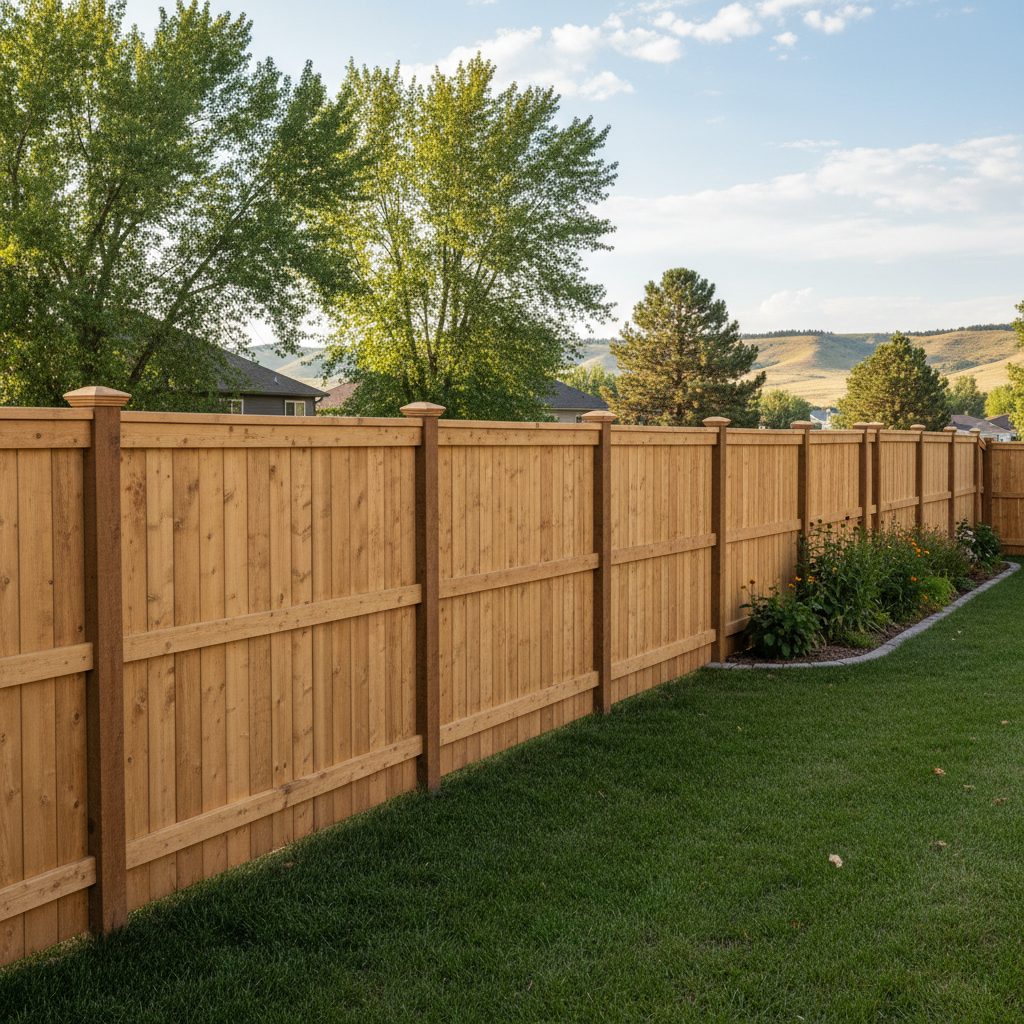
You want a privacy fence, right? Something to keep the kids and pets safe, block out the neighbor's RV, or just give you a little peace in your own yard. It sounds simple enough, but I've seen plenty of folks in Billings make some pretty common mistakes when they're planning or hiring for a privacy fence project. And trust me, these mistakes can turn a good idea into a real headache. Let's talk about what to watch out for.
Not Checking Your Property Lines (Seriously, Do It!)
This is probably the biggest and most frequent mistake I see. People assume they know where their property line is, or they just eyeball it. Then, a few months after the fence is up, the neighbor comes knocking with a survey, and guess what? Your brand new fence is two feet onto their property. Now you're looking at tearing down sections, moving posts, and a whole lot of unnecessary cost and bad blood with your neighbor. It's not fun.
Before any dirt gets dug, get a professional survey done if you're not absolutely 100% sure. Or, at the very least, pull out your plat map from the county and use existing markers. Don't rely on old fence lines, because those might have been wrong to begin with. A few hundred bucks for a survey is way cheaper than moving a whole fence.
Ignoring Local Codes and HOA Rules
Billings has its own set of rules for fences, and if you live in a development like the Heights or West End, you probably have an HOA with even stricter guidelines. I've seen people build a beautiful, tall privacy fence only to get a letter from the city or their HOA saying it's too high, too close to the street, or made of the wrong material. Then you're stuck modifying or even removing it.
Before you even pick out a style, check with the City of Billings Planning Department for their fence ordinances. They'll tell you about height limits, setbacks from property lines and sidewalks, and any permits you might need. If you have an HOA, get a copy of their Covenants, Conditions, and Restrictions (CC&Rs) and read the fence section carefully. It'll save you a ton of grief down the road.
Focusing Only on Price (The Cheapest Isn't Always Best)
Look, I get it. Everyone wants a good deal. But when it comes to something as permanent and important as a fence, going with the absolute lowest bid can often backfire. I've been doing this a long time with Billings Fencing Company, and I've seen the results of cheap materials and rushed installations.
- Subpar Materials: Cheap wood warps and rots faster in our Montana weather. Thin vinyl cracks. Flimsy hardware rusts. You'll be repairing or replacing it much sooner than you expected.
- Poor Installation: Posts not set deep enough, especially with our clay soils that can heave and shift. Not using enough concrete. Skipping essential steps. These things lead to leaning fences, gates that sag, and general instability.
- No Warranty or Insurance: A reputable contractor will stand behind their work and carry proper insurance. If they're super cheap, they might be cutting corners here too, leaving you exposed if something goes wrong.
Get multiple quotes, but don't just compare the bottom line. Compare what's included, the materials specified, the warranty, and the contractor's reputation. Ask for references and check their reviews.
Not Considering Maintenance and Longevity
A privacy fence isn't a set-it-and-forget-it deal, especially with our Billings wind and snow. Some materials require more upkeep than others. Are you prepared to stain a wood fence every few years? Or do you want something more low-maintenance like vinyl?
Think about the long haul. A slightly higher upfront cost for a more durable, lower-maintenance material might save you money and effort over time. When we talk with clients at Billings Fencing Company, we always discuss the pros and cons of different materials in terms of maintenance, not just initial cost. It's about finding the right balance for your lifestyle and budget.
Hiring Unlicensed or Uninsured Contractors
This is a huge red flag. If a contractor can't show you proof of their license and insurance, walk away. Immediately. A license means they've met certain professional standards. Insurance (specifically liability and workers' compensation) protects you. If an uninsured worker gets hurt on your property, or if they damage your home or a neighbor's property, you could be held liable. It's a risk that's just not worth taking to save a few bucks.
You're investing in your property and your peace of mind. Taking the time to plan properly, understand the rules, and choose a reputable contractor will make all the difference. Don't let a few common blunders turn your dream privacy fence into a nightmare.